























Sekoia Defend - Next-Gen SIEM

AI-powered detection and response

Detect, investigate, and respond faster with an AI-powered detection and response platform that unifies visibility, reduces noise, and helps SOC teams act with confidence.

Get a demo

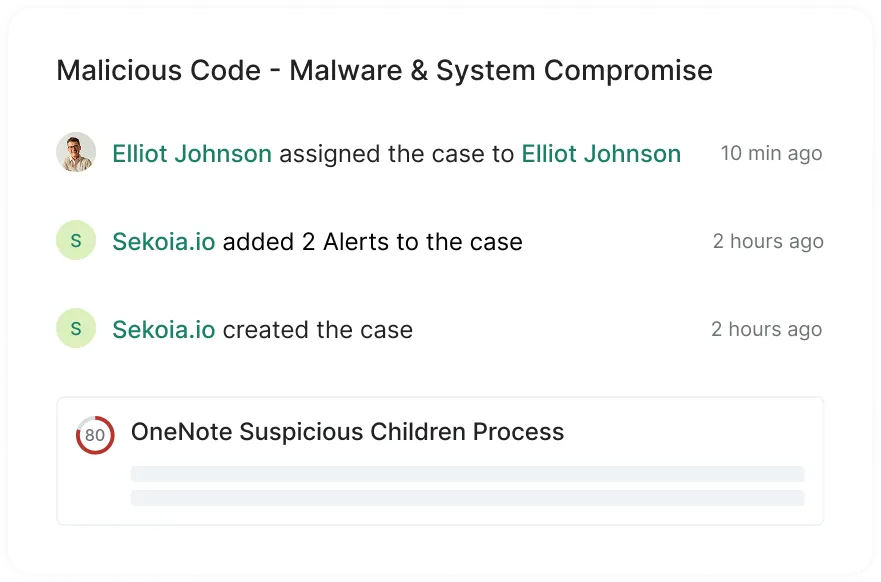
Case activity for malware titled Malicious Code with alerts and assignment details shown.
Trusted by top security teams globally

Unified Security Operations Platform

One platform,
total control.

Centralize your security operations

Aggregate logs, alerts, intelligence, and incidents into a single control tower for better visibility across endpoints, cloud, SaaS, networks, and existing tools.

Simplify analysis with clear visibility

Use preset dashboards, customizable reporting, and unified search to turn fragmented data into actionable insights and track the metrics that matter most.

Focus analysts on real threats

Native cyber threat intelligence, contextualized alerts, and verified detection content help reduce false positives and let teams spend more time investigating credible threats.

Respond faster and with more confidence

Real-time detection, case management, and automated playbooks help accelerate triage and response while keeping actions repeatable and auditable.

Get a demo

“The simplification and speed of detection offered by Sekoia has improved our responsiveness. We are now able to detect problems faster and react more quickly, enabling us to alert our partners and customers more quickly than ever before.”

Stéphane riffard, CISO, Manche numérique

Security leaders choose Sekoia to strengthen their defenses and stay ahead of modern threats.

Partners rely on Sekoia to deploy faster, scale globally, and deliver protection their teams trust.

See more reviews

AI agents that turn data
into decisions

Sekoia AI agents work across the platform to help analysts move from signal to action faster. Instead of simply surfacing alerts, they gather context, connect evidence, and support the next best action helping teams reduce manual effort and focus on what matters most.

Easy data ingestion from any source

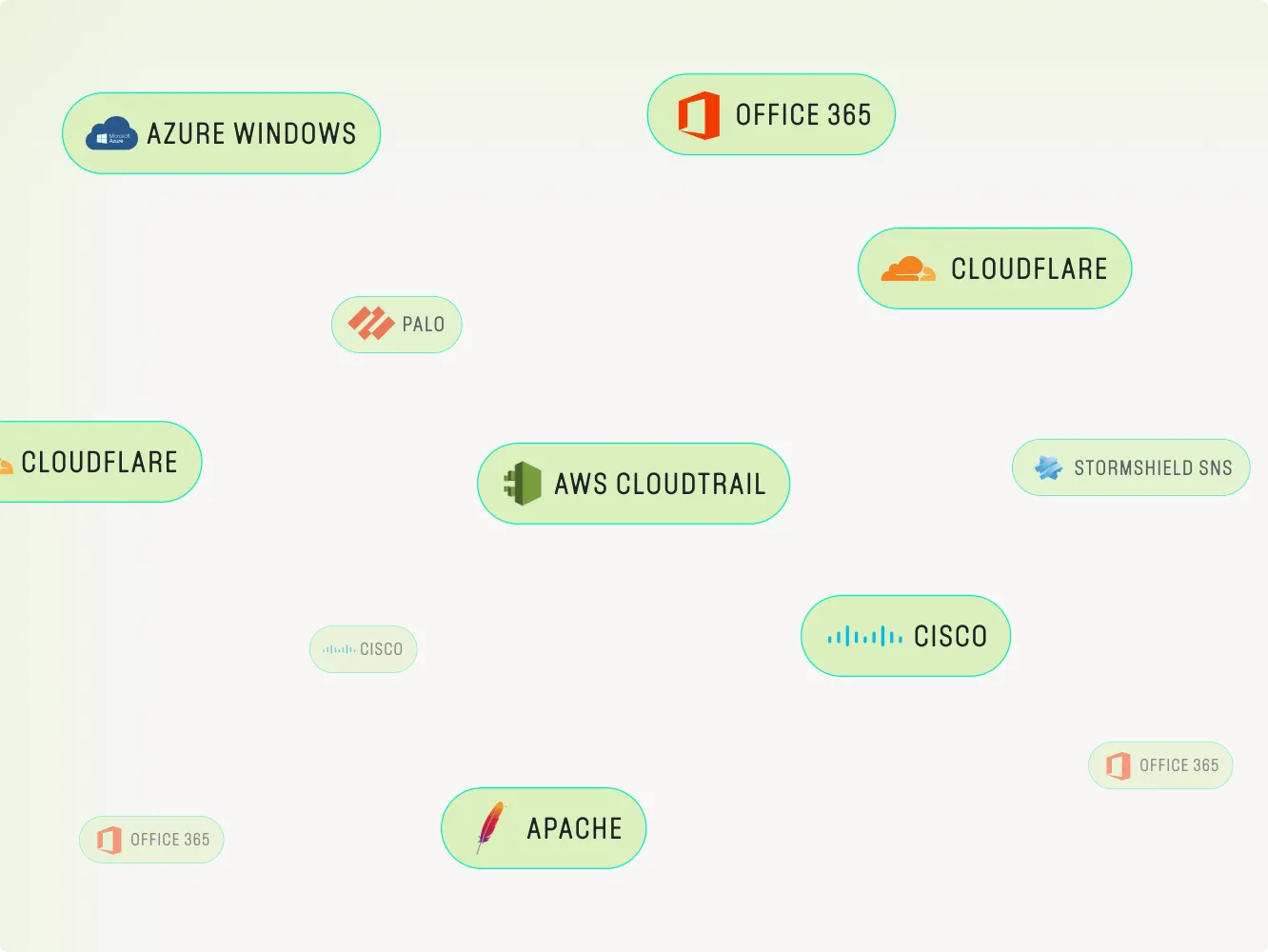
Deploy quickly using a broad and growing integrations catalog designed to connect your existing security stack. Sekoia Defend supports multiple ingestion methods and helps you collect and normalize data across endpoints, cloud services, SaaS applications, and network technologies.

Logos with labels including Azure Windows, Office 365, Cloudflare, AWS Cloudtrail, Cisco, Stormshield SNS, Palo, and Apache.

Real-time detection

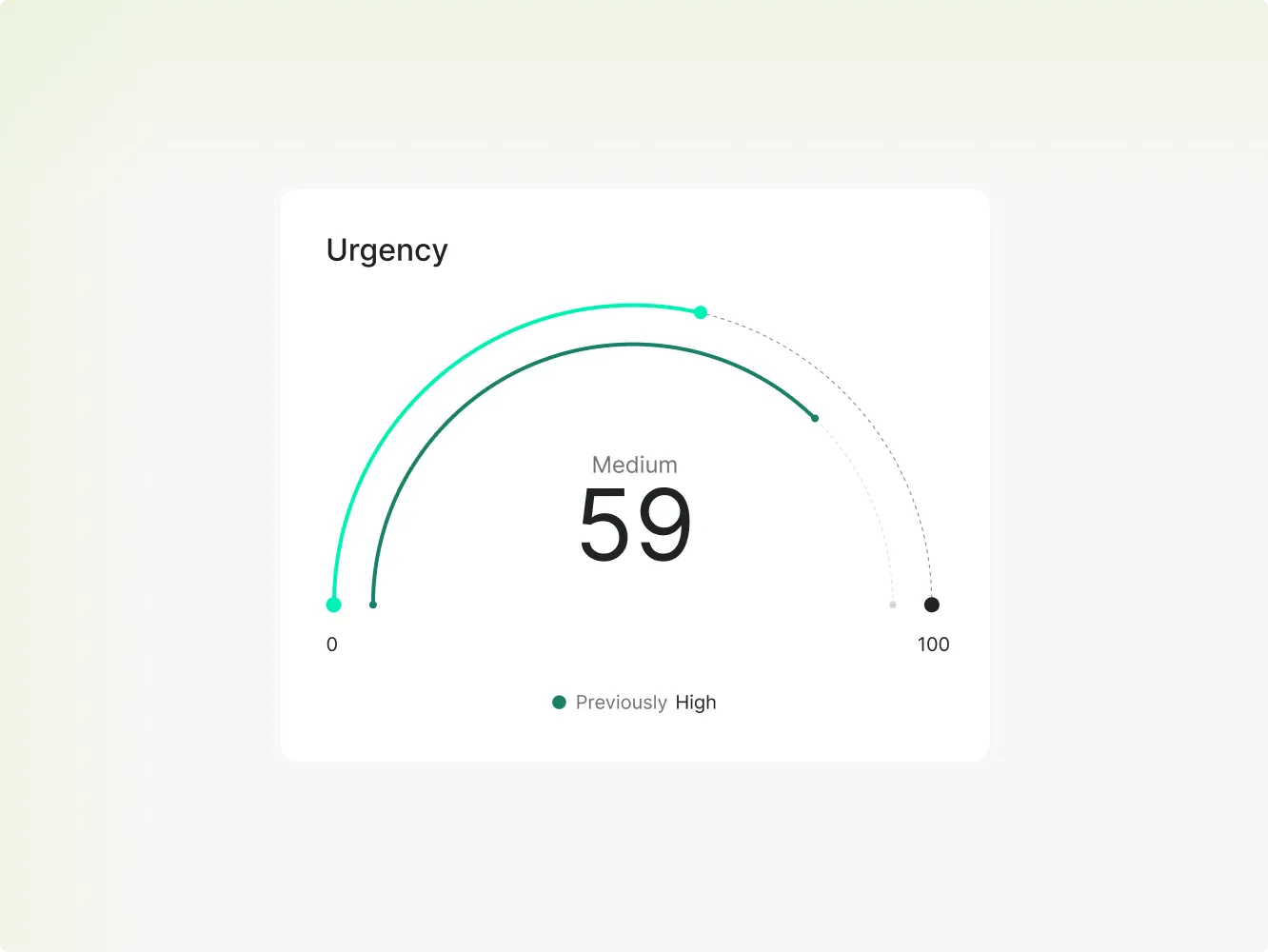
Detect attacks, intrusions, and compromises in real time with a combination of cyber threat intelligence, anomaly detection, and advanced detection scenarios. Pre-built detection rules maintained by help teams get value quickly while retaining the flexibility to create their own rules for specific use cases.

Urgency gauge showing a medium level at 59 with a previous high mark indicated.

Investigation and case management

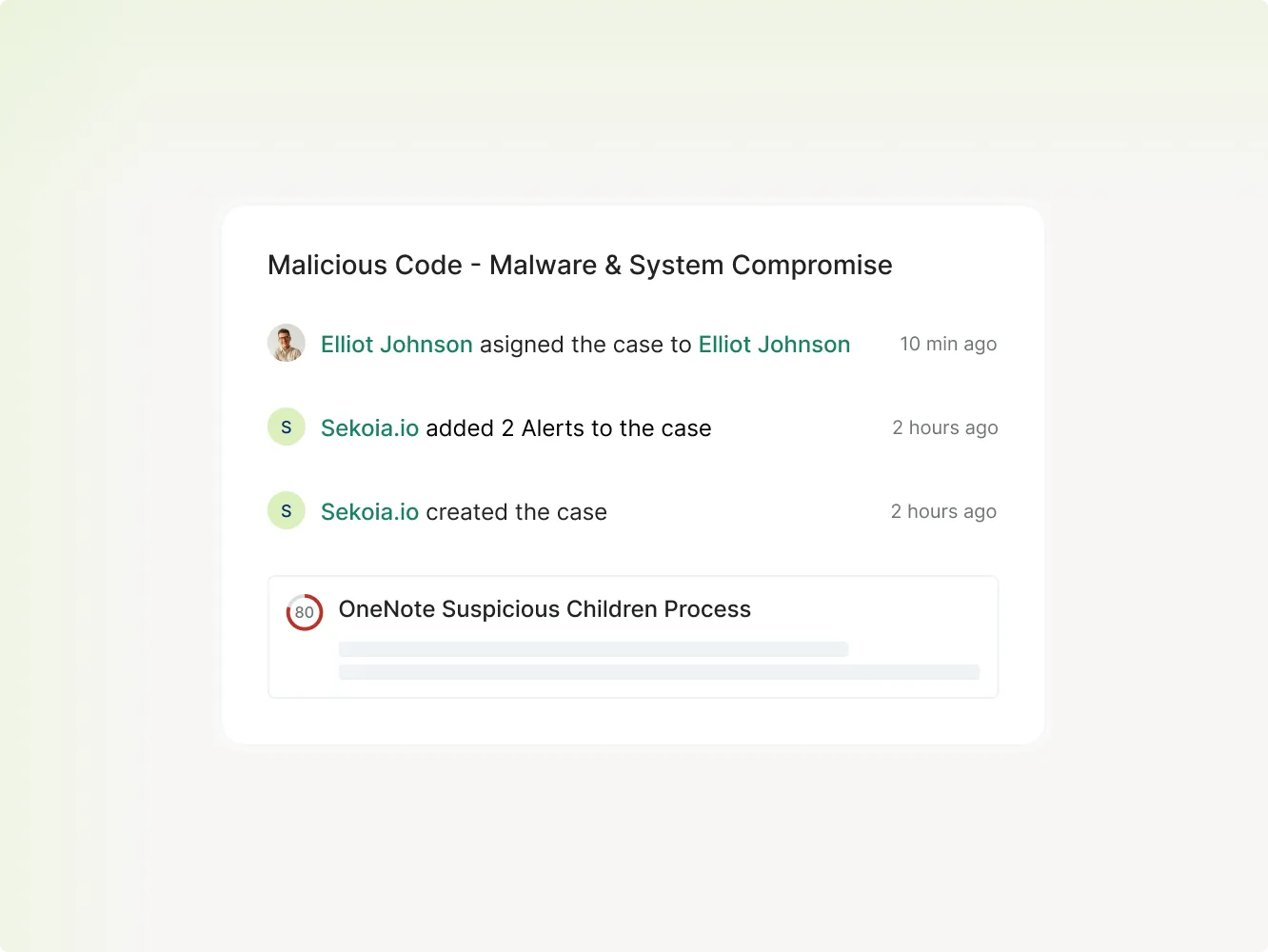
Investigate directly from alerts or event history, pivot through related activity, and document findings in shared cases. Sekoia Defend helps analysts connect signals, structure investigations, and collaborate more effectively during incident response.

Case update on malicious code with alerts and process warning from OneNote suspicious children process

Security automation and playbooks

Automate repetitive SOC workflows with playbooks that connect tools, people, and processes. This helps speed up response actions, improve consistency, and make security operations more scalable.

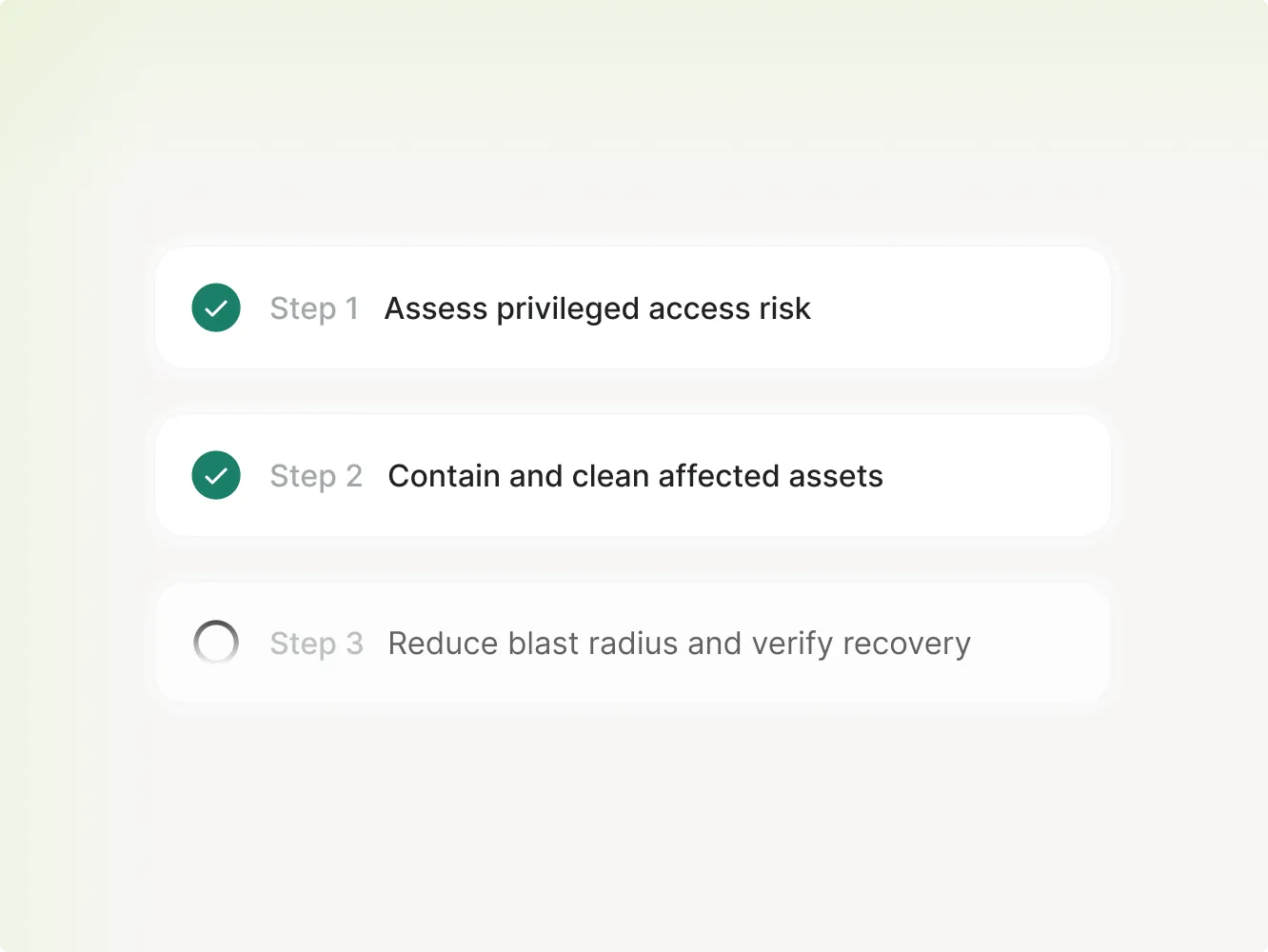
Three-step checklist on risk assessment and recovery with steps 1 and 2 checked, step 3 unchecked.

Stay agile with our integrations

The Sekoia integration framework enables seamless, bi-directional exchange of signals, alerts, and context across your security stack, strengthening detection, improving operational efficiency, and ensuring every tool in your ecosystem works together.

Apache HTTP Server logo
Fortinet FortiGate logo

Key figures

Recognized by industry analysts like Gartner and Frost & Sullivan. Trusted by security teams worldwide. Here's how Sekoia protects organizations.
1.5 million
assets protected worldwide by Sekoia
We secure countless digital assets worldwide, ensuring continuous defense.
300+
integrations with third-party security tools
Connect with your existing ecosystem through our vast library of pre-built integrations.
2000
Used by 200+ SOC teams across 2,000+ organizations worldwide
We protect government agencies and businesses, from Global 2000 giants to small businesses.
#1
EUROPE’S LEADING PRIVATE CTI TEAM
Powered by Sekoia TDR, our research team delivers unmatched threat insights and defense strategies.

Take a tour of Defend in the Sekoia AI SOC platform

With AI-assisted insights, guided investigations, and seamless collaboration, Sekoia helps teams cut through complexity and stay ahead of fast-moving threats.

“Sekoia's intuitive interface and advanced analytics capabilities have significantly enhanced our alert triage process. It also has a simple and quick integration with our existing security stack.”

Fabien VERO

Cybersecurity consultant

Security leaders of all sizes choose Sekoia to strengthen their defenses and stay ahead of modern threats.

Partners rely on Sekoia to deploy faster, scale globally, and deliver protection their teams trust.

See our case study

Do you have any questions about SIEM?

What is a SIEM?

SIEM stands for Security Information and Event Management. It is a central software hub that connects all your different security tools. Instead of forcing you to check multiple systems, a SIEM gathers activity logs from across your entire network and displays them in one single dashboard.

How does a SIEM work?

A SIEM pulls raw activity data from your routers, firewalls, servers, and devices. It translates all these different files into a single, uniform language. Then, it analyzes this data in real time using security rules. If it spots a dangerous pattern, like a user logging in from two different countries at the same time, it immediately flags it and alerts your security team.

Why is a SIEM important?

Hackers usually attack multiple systems at once, making them hard to track. A SIEM is important because it connects the dots between seemingly unrelated events across your company to expose complex attacks. This saves your team from manually checking different tools to investigate a threat, while also securely storing the historical data needed to pass compliance audits.

How do you effectively deploy a SIEM solution?

To deploy a SIEM successfully, you should start small by connecting only your most critical servers and cloud environments first. You also need to customize the security rules to match your company's normal daily behavior so your team does not get flooded with false alarms. Finally, ensure you have dedicated analysts to monitor the system and connect it to automation tools so basic threats can be blocked automatically.