

Sekoia Blogs
Poisoned Source: APT29 watering holes target mobile devices with n-day exploits
Sekoia TDR investigates a large-scale APT29 watering hole campaign targeting iOS and Android users through compromised websites, fake domains, and a supply-chain attack. Discover how n-day exploits were used to steal cookies, Wi-Fi passwords, and device data.

The future of the SOC is deployment freedom
A cloud-only SOC won’t fit every enterprise. Learn why deployment freedom and consistent capabilities will shape the next generation of security operations.

PHP2Shell was exploited before the patch. Expect more of it.
Attackers exploited PHP2Shell four days before the patch arrived, showing why security teams can no longer wait for disclosure to start investigating.
Self-hosted does not have to mean stagnant
A self-hosted SOC can keep pace with modern threats when customers have control over deployment... and full confidence in what comes next.

ISOC, AI agents, and the changing role of the analyst
In this conversation, Megan speaks with David Bizeul, Sekoia’s Chief Solution Officer, about ISOC, AI agents, analyst training, and beyond.

From mobile threat detection to autonomous investigation: Connecting Zimperium with Sekoia
Zimperium Mobile Threat Defense now sends its mobile threat telemetry to the Sekoia SOC platform. Sekoia Elevate AI agents investigate each mobile alert alongside identity, cloud and network evidence, so analysts can see what it means for the whole organization.
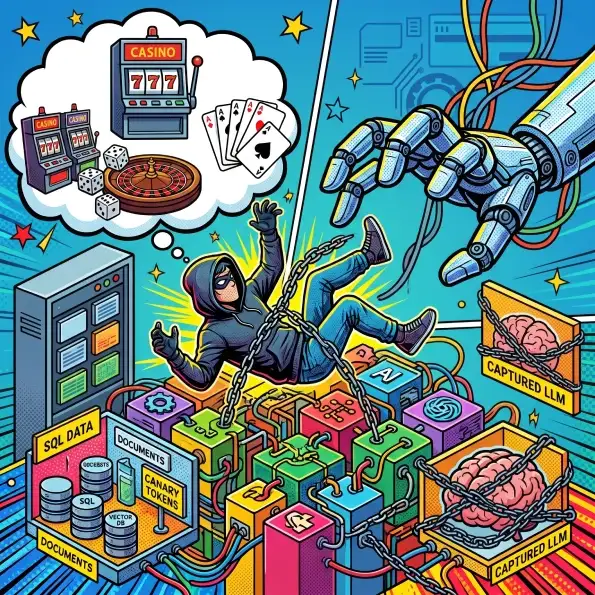
A honeypot's tale: Deconstructing an attack on GenAI infrastructure
Sekoia's TDR team ran a decoy Flowise server to study attacks on GenAI platforms. One threat actor stole its credentials and tried to misuse its AI agent.
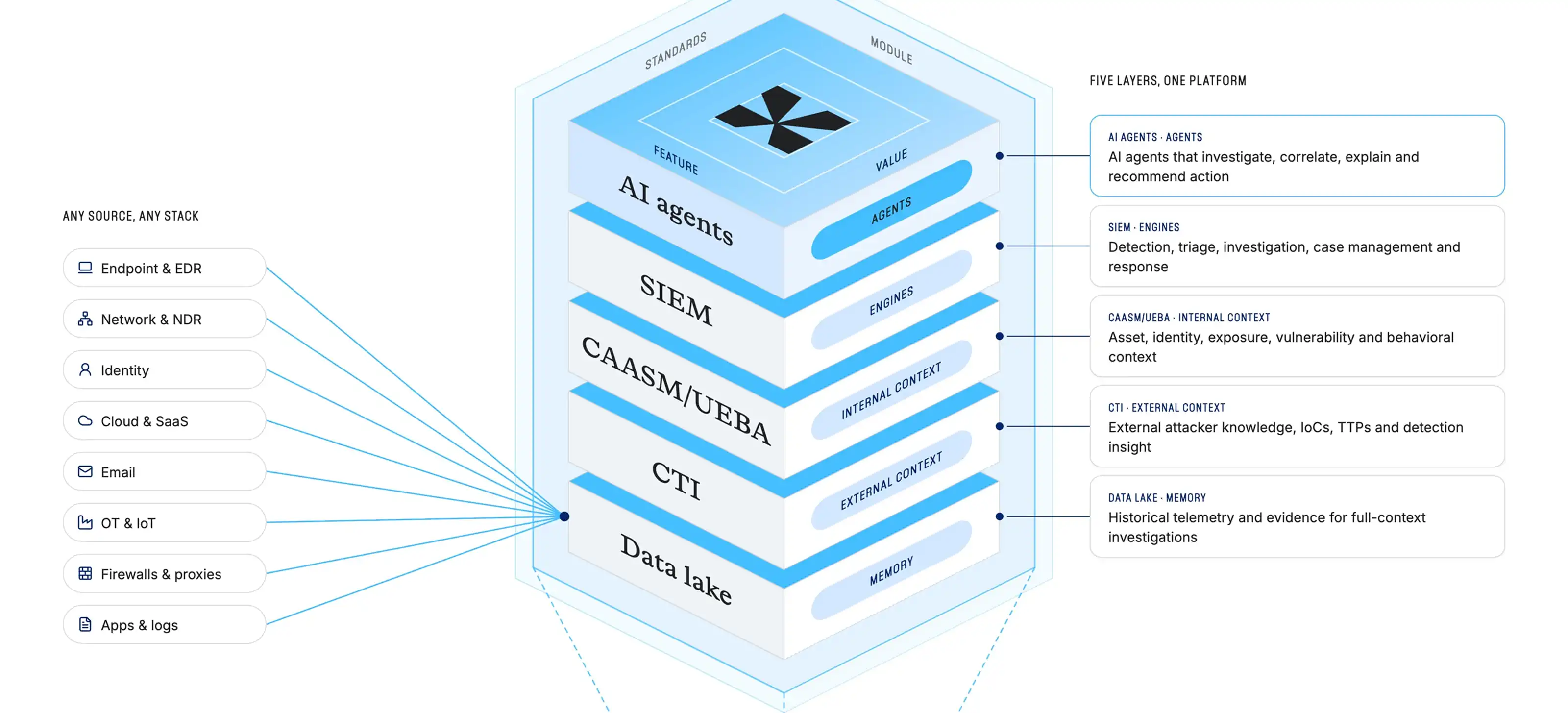
ISOC: When the SOC stops being a stack of tools
And why integrated security operations are the first step toward Autonomous Cyber Defense.

With Sekoia Intelligence, we gave you half the picture. Here's the other half.
Stolen credentials can pass through several hands before an attacker uses them to access your organization, and each step leaves clues security teams can act on.

AI moves faster. But humans are setting the course.
In this interview, Cyril Simonnet, Sekoia’s Chief Revenue Officer, explains how context, data, runbooks, and human judgment will shape AI-powered cybersecurity.

Sekoia is now ENS Alta certified: What it means for security in Spain
Sekoia Obtains ENS Alta Certification for the Spanish Market.

The era of “Super Intelligence” is also the era of super-intelligent threats
A Sekoia perspective on what the White House's latest move means for cyber defense.

Gotta breach 'em all! The journey of ShinyHunters
ShinyHunters has outlasted forum takedowns, multiple arrests, and its own founders' convictions. This report traces six years of activity and tactical evolution. From stolen S3 buckets to zero-day exploits, we attempted to explain why the brand keeps surviving what should have ended it.
Exvicy: A copycat of the ErrTraffic malware distribution framework
This article details how TDR pivoted from a forum advertisement to identify confirmed operator infrastructure, analyzes the Exvicy infection chain, and provides code evidence establishing that this emerging MaaS is a direct copycat of the adopted ErrTraffic framework.

SOC platform evaluation checklist for MSSPs: 4 questions to ask
Four questions MSSPs should ask about SOC platform costs, detection, context, and AI oversight before committing their margin and reputation.

AI in the SOC: What Europe’s new framework means for trust and tech autonomy
An analysis of how Europe’s emerging AI and cybersecurity framework is shaping trust, control and technology sovereignty in the SOC.

Why multi-tenant SOCs need multi-level agents
One SOC can protect dozens of customers, but every customer works differently. See how multi-level agents give security teams one shared way to investigate alerts, while keeping the local context needed to make the right call.

Beyond Lazarus: Organization of DPRK cyber capabilities
Get the full overview of North Korea's cyber operations, from state institutions and APT clusters to IT workers units, and enablers.

AI SOC agents are only as good as the context they can see
AI SOC agents need more than an alert to investigate threats. See how telemetry, asset data, identities and threat intelligence help explain each verdict.

AI transparency in cybersecurity: How Sekoia handles customer data
Security teams are being asked to trust AI with work that used to belong to experienced analysts. So how can they decide if it’s earned its place there?

What you need to know before putting AI agents in your production SOC
A convincing demo doesn’t prove production readiness. Learn how to test an AI agent before it takes on live SOC investigations.
Threat Detection & Research team
Sekoia Threat Detection & Research team, commonly known as the TDR team, is the driving force behind the Sekoia SOC platform, delivering exclusive threat intelligence.
